All Categories
Featured
Maximizing Outdoor Water Savings for California Commercia...
Maintaining Water-Wise Commercial Parks in Orange County
How Water-Wise Landscapes Improve CRE ESG Ratings
Table of Contents
This includes information and stats on industry market share concentration, barriers to entry, replacement items and buyer & provider power. Questions answered in this chapter include what impacts the market's market share concentration, how do successful businesses handle concentration, what challenges do possible market entrants face, how can possible entrants get rid of barriers to entry, what are alternative to industry services, how do successful services take on replacements and what power do buyers and suppliers have more than the market and how do successful organizations manage buyer & supplier power.
This includes data and analysis on companies operating in the market that hold a market share greater than 5%. Concerns answered in this chapter include what companies have a meaningful market share and how each company is carrying out. The External Environment chapter covers Secret Takeaways, External Drivers, Policy & Policy and Help in the Landscaping Providers market in the United States.
Concerns responded to in this chapter include what group and macroeconomic factors impact the market, what regulations impact the market, what assistance is offered to this market. The Financial Benchmarks chapter covers Secret Takeaways, Expense Structure, Financial Ratios, Valuation Multiples and Key Ratios in the Landscaping Solutions industry in the United States.
Commercial Landscape Seasonal CalendarQuestions addressed in this chapter include what patterns impact industry expenses and how monetary ratios have actually altered overtime. The Market Data chapter includes 10 years of historical data with 5 years of projection information covering data like revenue, market worth add, facilities, business, employment and salaries in the Landscaping Providers industry in the United States.
Mastering Upcoming ESG Landscape Compliance Requirements
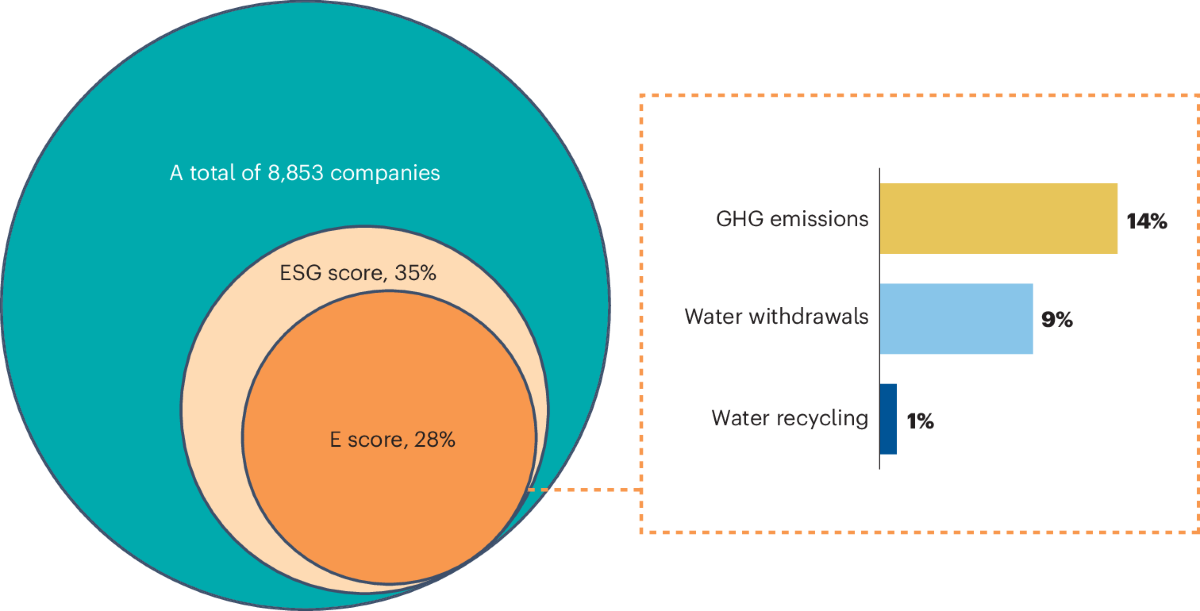
In our new,, we look at today's company landscape and how ESG has actually become an important factor to consider, especially for mid-market business. Companies are facing installing pressures from regulators, consumers, financiers, and different stakeholders, all of whom are increasingly focused on the collection and disclosure of ESG data.
Here, business leaders discover themselves charged with dealing with the rising demand for sustainability information while starting the challenging journey of establishing thorough ESG programs from scratch. Our new offers important insights into market dynamics around ESG, environment & sustainability. Gain access to the survey to discover important insights into the US mid-market, distinguished the perspective of 100 C-suite employees and sustainability leaders at mid-market United States companies.
The study was conducted in August 2023 with companies across 17 sectors to offer an industry-agnostic view of leadership views on ESG. The ESG Trends Survey is a yearly research initiative by Get Excellent Lab created to record the most current insights, obstacles, and emerging trends throughout Environmental, Social, and Governance (ESG) practices.
The study is ideal for sustainability leaders, ESG experts, business executives, and impact-focused decision-makers throughout markets. Whether your company is simply beginning or advancing its ESG journey, your input includes value to the broader community. All study actions are anonymized and aggregated to develop a detailed report on ESG patterns.
Involvement in the survey is entirely free. Once the survey closes, Get Great Laboratory will publish a summary report of the essential findings, which will be available to all individuals and subscribers at no expense. You can sign up on this page to be alerted when the full study report is launched.
The ESG reporting market is going into a less ideological and more functional phase. The concern in 2026 is no longer whether sustainability disclosure will matter. It is which frameworks will actually shape reporting, assurance, enforcement, and information architecture over the next 18 months. The response is clear enough now to assist strategy: the reporting stack is combining around a few huge anchors, but it is also becoming more regional, more assured, more digital, and more enforcement-sensitive.
Future Evolution of Commercial Maintenance Via ESG
They are years for upgrading reporting systems so that one underlying information model can serve multiple regimes. The greatest structural shift is the ongoing rise of the ISSB structure as the worldwide investor-oriented standard. In June 2025, the IFRS Foundation stated 36 jurisdictions had embraced or otherwise used ISSB Standards, or were in the process of settling actions to introduce them into regulation.

Latest Posts

Maximizing Outdoor Water Savings for California Commercial Sites
How Water-Wise Landscapes Improve CRE ESG Ratings

Why Strategic Care is Vital for Resorts