All Categories
Featured


Comparing Conventional Against Native Maintenance Performance
Table of Contents
Los Angeles landscapers are specialists in designing gardens that show personal style while also considering the local climate. They utilize thoughtful garden style to produce an immersive experience with a choice of plants that flourish in the region.
: Motivated to promote regional biodiversity and ease of care.: Strategically selected to create year-round visual interest. From Zen-inspired serenity to vibrant, rich plans, the objective is to produce a special and sustainable garden environment that matches the rest of the landscape. When looking for landscaping services in Los Angeles, individuals typically have questions about costs, finding reputable services, and what to expect during the landscaping process.
Commercial Landscaping TorranceOn average, homeowners might invest in between $1,500 and $5,500 for a full landscaping job. Evaluations for landscaping services in Los Angeles can be discovered on platforms such as Yelp, Angie's List, and Google My Organization. Prospective clients need to try to find in-depth reviews that speak to the quality and reliability of the services rendered.
Factors such as the complexity of the work and the landscaper's experience can influence the rate. Budget friendly landscaping services in Los Angeles can be sourced through regional directory sites and community boards. One must think about services that balance cost with favorable consumer feedback and a great portfolio of completed tasks. For a basic landscaping job in Los Angeles, one should prepare for costs starting around $3,000 to $6,000, depending on the task's scale and the products needed.
Sustainable Landscape Management Protocols for 2026
Individual suggestions and assessment meetings can also supply insight into their reliability and work ethic.
The Hydration Station Effort Program permits non-residential consumers to set up or refurbish openly available drinking water stations on homes with repayment opportunities for eligible applicants.
Exactly what is a "sustainable landscape" and how can you develop your own? Basically, sustainable landscaping includes selecting plants that are adapted to your climate and microclimate, and implementing environmentally sound upkeep practices.
Evaluating Traditional Against Sustainable Landscape Performance
On average, Tucson gets 11" of rains a year. In such a xeric climate it is incredibly important that our limited water is utilized as effectively as possible. That is why our # 1 goal is to produce a "absolutely no run-off residential or commercial property." Every drop of water that falls on your site should stay on your website and be used to support your landscape objectives.
These basins collect, penetrate, and shop rainwater in the soil, where it can be accessed by our plants and utilized to construct much healthier soil. Getting shade in the right location is vital to the total health and satisfaction of our landscapes.
Not to mention they produce a shady, tranquil, and welcoming environment that draws us out of our homes and into our landscapes. And if all of that is not enough, fully grown shade trees can increase the resale value of your home by as much as 15%. Coupling our native trees with passive rainwater harvesting techniques makes sure accelerated development rates while lessening community water inputs.
That is why EcoSense develops landscapes that do not count on extra watering once developed. We accomplish this with cautious passive rainwater collecting preparation and water budgeting to guarantee our landscapes can prosper on typical rains alone. We likewise use hardy succulents and targeted seed blends that don't need irrigation for facility.
Commercial Landscaping TorranceSteps to Transition to Native Planting Efficiently
Located near the Santa Monica Mountains in a garden-like setting, UCLA's landscape provides reprieve and connection, along with habitat for school wildlife, as highlighted in this UCLA Publication piece: Pockets of Paradise on School. Recently we have actually transitioned decorative grass locations to native and climate durable plants, as well as triggering outdoor research study spaces.
Sage Hill, located in the northwest corner of campus, is 3.4 acres of native California environment that is home to a high diversity of flora and animals consisting of 50 native higher plant species, 7 native mammal types, 17 butterflies species, and almost 30 local and migratory bird species.

Latest Posts
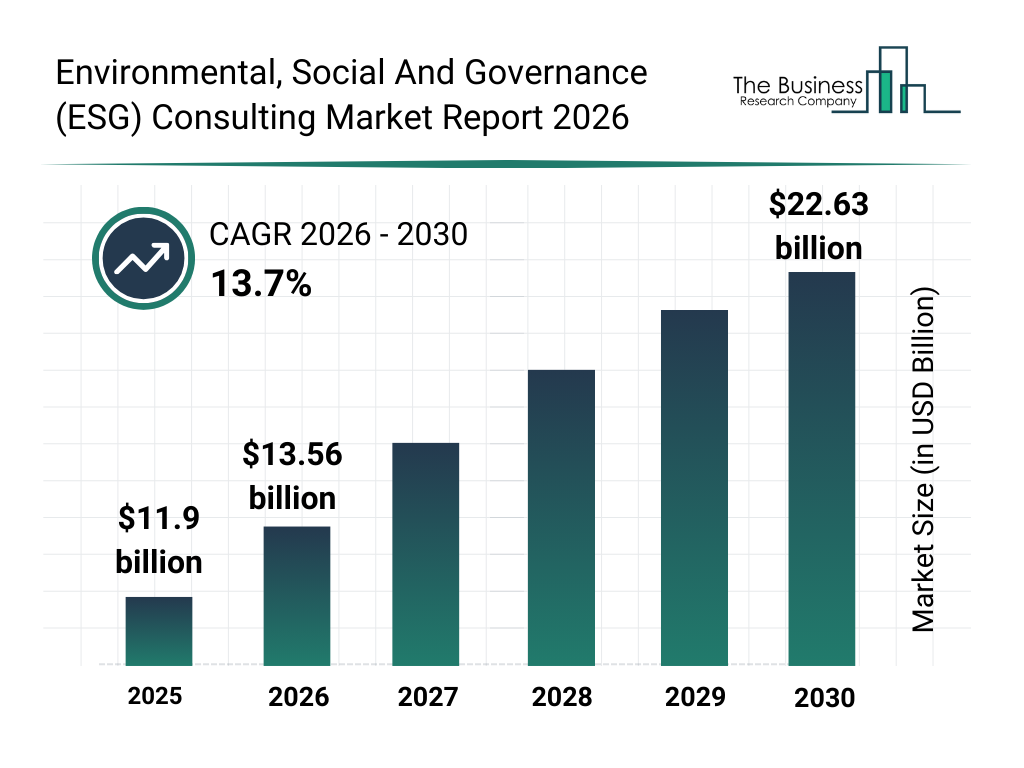
Understanding State Drought Policies for CRE Assets
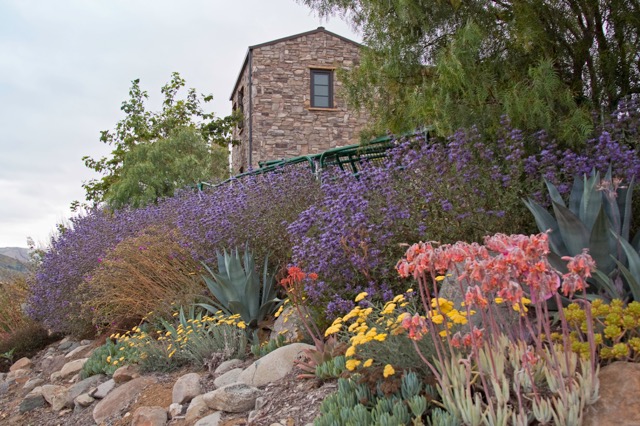
Targeting Maximum Water Efficiency in Orange County
Navigating 2026 Sustainability Reporting for Southern California